
 3.5 mm
The round jack
The small round hole has been on the end of headphones for most of a century, and it is still on the side of most laptops. If that is the socket you are plugging into, this shelf is the whole answer.


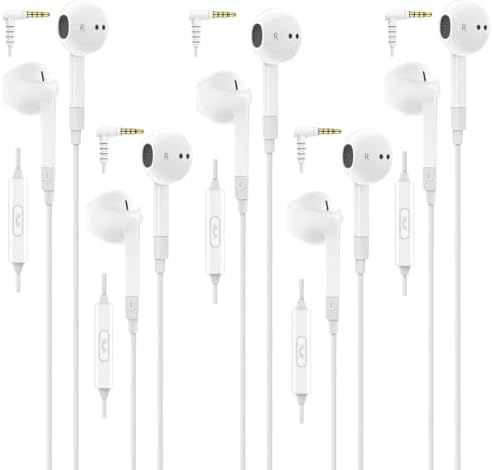
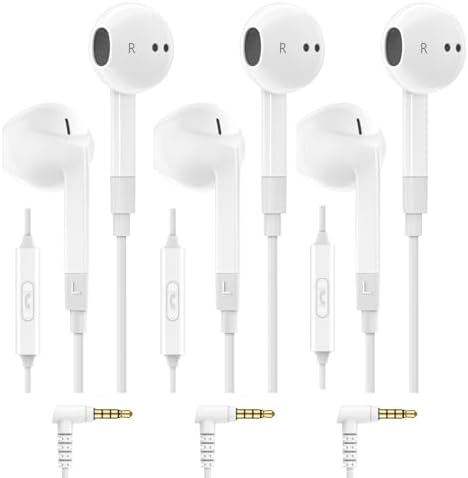


A catalog built around the wire
- 12listings on this shelf
- 72color codes behind them
- $8.69is where this shelf starts
- 126,134votes across the shelf
What still has the round hole
Laptops mostly kept it. Desk machines kept it. Monitors with sound kept it, and so did desk phones, the back of a television, the armrest on a plane, the dashboard of a car old enough to vote, and every handheld console worth the name. The socket did not go away, it went away from phones.
That is worth saying plainly, because the round jack gets written about as though it were finished. It is not finished. It left one category of device, and that category happens to be the loudest one.
The plug asks the device for nothing
A round plug carries a finished signal. The part that turns a file into something a driver can move sits inside your laptop or your console, it was there before you bought the earbuds, and our cable simply takes what comes out of it.
That is why a pair like this works the moment it goes in. Nothing pairs, nothing updates, nothing has to be charged the night before, and nothing decides on a Tuesday that it would rather connect to the tablet in the next room.
Where it runs out
Newer phones are the boundary. If the only opening on the bottom edge is the one you charge through, a round plug has nowhere to go, and a small adapter is the usual answer. Adapters work, and they are also one more tiny object to lose.
If that describes your phone and you would rather not carry the adapter, the USB-C shelf holds the same drivers on a plug that fits it directly. The picker will sort this out in two questions if you are not sure what you have.
Our named lines
Choose the plug that matches your port, then choose the shape you want. The line decides the housing metal, the cord braid and the button setup under your thumb.
Workbench articles
Which plug your phone takes
One look at the bottom edge of the phone settles which of our pairs will work. Here is what changed, what an adapter costs you, and why laptops are a different story.
Keep readingGetting a seal with ear tips
Sound that came out thin and tinny is almost never a broken driver. It is a tip that never closed the ear canal. How to seat foam properly and when to swap.
Keep readingHow a wired pair stays quiet
No circuit, no battery, no cancellation. Just a foam tip filling the canal. What that blocks well, what it will not touch, and why we left the battery out.
Keep reading
What is your jack?
Two questions. The first is about the socket you plug into, because that rules more pairs in and out than anything else here. The second is about what you are actually doing while you wear them, because that is what each line was built around.